
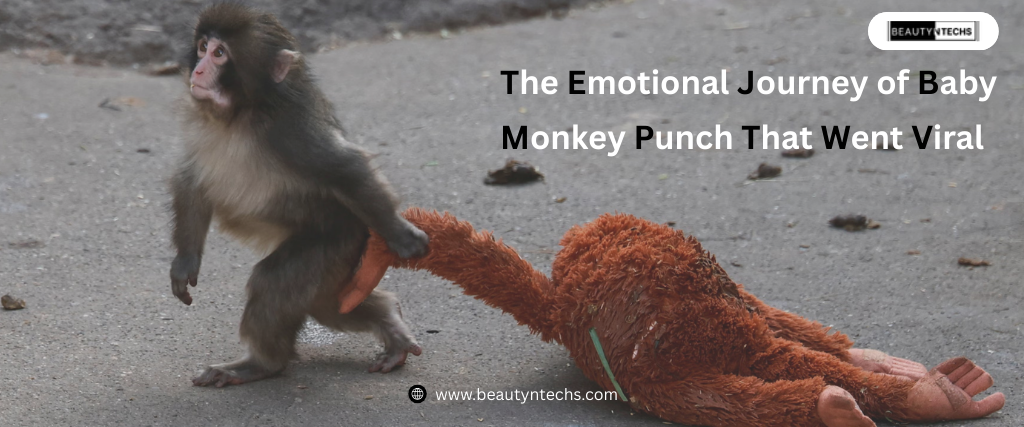
In the age of social media, certain stories travel far beyond their place of origin and capture the hearts of people around the world. One such story is the emotional journey of Baby Monkey Punch, a young macaque whose touching story quickly went viral online. Images and videos of the tiny monkey clinging to a plush toy for comfort sparked conversations across the internet, drawing both empathy and curiosity about the emotional lives of animals.
While the viral moment made Punch famous, the story also opened up a deeper discussion about animal behavior, maternal instincts, and the realities of life among primates. Understanding the science behind these behaviors helps separate myths from facts and gives us a clearer picture of the complex world in which monkeys live.
The Viral Story of Baby Monkey Punch
Baby Monkey Punch first gained attention after videos circulated showing the small macaque hugging a large stuffed toy that zookeepers had given him for comfort. The toy served as a surrogate companion after Punch was reportedly rejected by his biological mother shortly after birth.
The visual was powerful. A tiny monkey clutching a plush toy like a child seeking comfort resonated deeply with viewers. Social media users across the world shared the images, expressing sympathy and admiration for the caretakers who stepped in to nurture the young monkey.
The story quickly spread across platforms, turning Punch into an internet sensation. But beyond the emotional reaction, the story raises an important question: why would a mother monkey abandon her baby in the first place?
Understanding Monkey Social Behavior
To understand this phenomenon, it is important to recognize that monkeys are highly social animals with complex group dynamics. Many monkey species, including macaques, live in groups known as troops. These groups can consist of several dozen individuals with established hierarchies, social bonds, and behavioral rules.
Within these communities, mothers typically play a central role in raising their young. Baby monkeys depend heavily on their mothers for food, protection, and learning essential survival behaviors. In most cases, maternal bonds are extremely strong.
However, like many animals in the wild, monkeys must balance maternal care with survival pressures. Factors such as environmental stress, health issues, or social hierarchy can sometimes influence maternal behavior.
Why Mother Monkeys Sometimes Reject Their Babies?
Although it may seem surprising to humans, maternal rejection does occasionally occur in primates, including monkeys. Scientists and animal behavior researchers have identified several possible reasons why this can happen.
1. Health or Weakness of the Infant
One common reason is the health condition of the newborn. If a baby monkey is born weak, ill, or unable to cling properly to the mother, the mother may instinctively reject it. In the wild, caring for a vulnerable infant could reduce the mother’s chances of survival or future reproduction.
2. First-Time Mothers
Young or inexperienced mothers sometimes struggle with proper maternal behavior. Without experience, they may not understand how to carry or nurse their babies effectively, which can lead to accidental neglect or rejection.
3. Stressful Environment
Captive environments, sudden disturbances, or stressful changes in surroundings can also affect maternal instincts. Stress can disrupt normal behaviors and lead to rejection or distancing from the infant.
4. Social Hierarchy in the Troop
Monkey societies often have strict hierarchies. Lower-ranking females may face pressure or aggression from dominant members of the group, which can indirectly influence their ability to care for offspring.
It is important to remember that these behaviors are not acts of cruelty but rather outcomes shaped by evolutionary survival mechanisms.
The Emotional Intelligence of Monkeys
One reason Baby Monkey Punch’s story resonated with so many people is that monkeys exhibit remarkable emotional intelligence. Studies have shown that primates share many social behaviors with humans, including empathy, cooperation, and strong family bonds.
Researchers observing monkey troops have documented behaviors such as:
- Grooming each other to strengthen social bonds
- Protecting injured members of the group
- Comforting distressed individuals
- Teaching young monkeys through observation and imitation
These behaviors reveal that monkeys experience complex emotional states, even though their responses are shaped by survival instincts rather than human moral systems.
The Role of Caretakers and Surrogate Comfort
In cases where a baby monkey is rejected by its mother, caretakers sometimes intervene to ensure the infant’s survival. In zoos and wildlife rescue facilities, staff may provide surrogate comfort objects or hand-raising techniques to support abandoned animals. For Baby Monkey Punch, the stuffed toy acted as a source of emotional reassurance. Although it cannot replace a real mother, such objects can help reduce stress and provide comfort during early development. This approach is often used temporarily until the animal becomes strong enough to integrate with other members of its species.
Myths About Mother Monkeys and Abandonment
The viral story also triggered many misconceptions about monkeys. Some online discussions portrayed monkey mothers as careless or emotionally detached, but this is far from accurate.
Myth 1: Monkeys Frequently Abandon Their Babies
In reality, maternal abandonment is relatively rare in healthy monkey populations. Most mothers display strong nurturing instincts and care for their infants for months or even years.
Myth 2: Monkeys Lack Emotional Bonds
Scientific research shows that monkeys develop deep social attachments with family members and troop companions.
Myth 3: Rejection Means the Mother Does Not Care
Rejection often results from biological survival instincts, not emotional indifference. Understanding these facts helps us interpret animal behavior more responsibly.
What the Story of Baby Monkey Punch Teaches Us?
Beyond its emotional impact, the story of Baby Monkey Punch offers valuable lessons about wildlife and compassion.
First, it reminds us that animals experience the world in ways that are both similar to and different from humans. While we may interpret events through human emotions, animals operate according to instincts that evolved over thousands of years.
Second, it highlights the important role of wildlife caretakers and conservationists who step in when animals need help. Their work ensures that vulnerable animals receive the care necessary to survive and thrive.
Finally, the viral story shows the power of the internet to spark empathy and awareness about animals and their environments.
The Growing Awareness of Animal Welfare
Stories like that of Baby Monkey Punch often lead to broader discussions about animal welfare and conservation. As awareness grows, people become more interested in understanding how animals live and how they can be protected.
Modern zoos and wildlife facilities increasingly focus on:
- Ethical animal care
- Naturalistic habitats
- Behavioral enrichment
- Education and conservation programs
These initiatives aim to ensure that animals receive the physical and emotional support they need while also helping the public learn about wildlife.
A Reminder of Nature’s Complexity
Nature is rarely simple. The behaviors we observe in animals are shaped by a delicate balance between instinct, survival, and social interaction. While the story of Baby Monkey Punch may appear heartbreaking at first glance, it also illustrates the resilience of animals and the compassion of those who care for them.
As the young monkey continues to grow and interact with its environment, the viral moment serves as a reminder of the profound connections that exist between humans and the animal world.
Conclusion
The emotional journey of Baby Monkey Punch captured global attention not only because of its touching imagery but also because it revealed the complexity of animal behavior. From maternal instincts and troop dynamics to the role of human caretakers, the story provides insight into how monkeys live, interact, and adapt.
Understanding the science behind monkey behavior helps us appreciate these animals with greater respect and empathy. Rather than viewing the story purely as a viral sensation, it becomes an opportunity to learn more about wildlife and the delicate balance that shapes life in the natural world.
In the end, Baby Monkey Punch’s story reminds us that even the smallest creatures can inspire powerful conversations about compassion, nature, and our responsibility toward the living world.